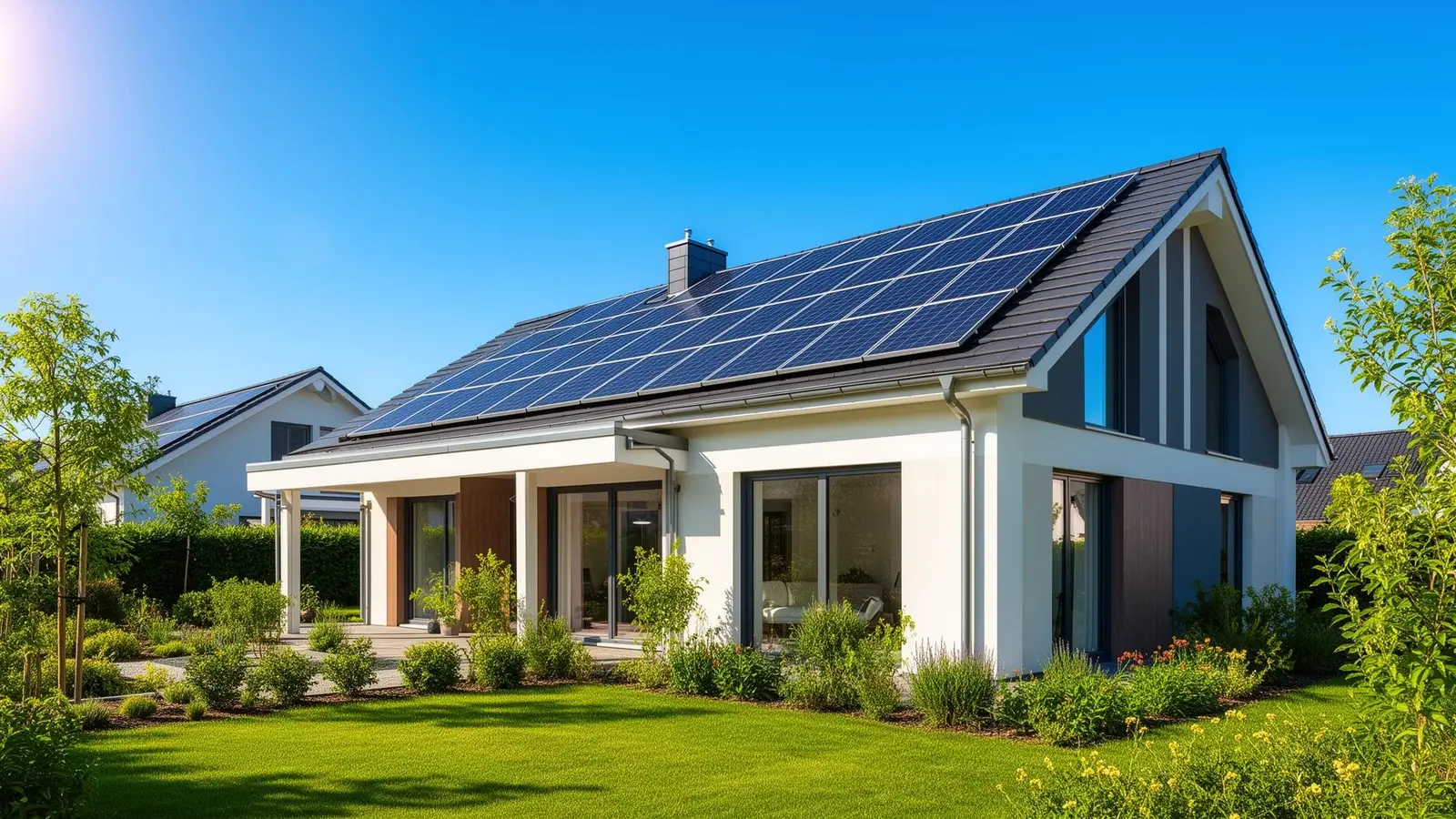
Solar Electricity for Your Home
A roof-mounted solar PV system that powers your home first, then exports surplus to the grid. Save on bills, earn via the Smart Export Guarantee (SEG), and optionally add battery storage.
No obligation. We'll confirm roof suitability and give a like-for-like system spec.
How Solar Electricity Works in a UK Home
A solar PV system generates electricity on your roof and a home inverter converts it to usable AC power. See how much solar panels produce in the UK.
Home appliances use solar first
Your solar panels generate DC electricity, converted to AC by a home inverter.
Surplus charges your battery
If you have solar battery storage, excess solar energy is stored for later use.
Remaining surplus exported to grid
Electricity you don't use can be exported and paid via the Smart Export Guarantee (SEG).
At night: battery then grid
After dark, you draw from your battery first, then from the national grid.
Solar PV vs Solar Thermal
Solar PV = electricity. Solar thermal = hot water. This guide covers solar PV for home electricity.
Is Your Home Suitable for Solar Panels?
Most UK homes can be assessed quickly, but these factors matter most.
Roof Direction, Shade & Pitch
- • Shade (trees, chimneys, nearby buildings) is often the biggest performance killer.
- • East/west roofs can still work well, especially for morning/evening use.
Roof Condition & Layout
- • You want a roof in good condition before installing (to avoid rework later).
- • A split roof (multiple faces) can change the inverter/optimiser choice.
Planning Permission
- • Many domestic solar installs fall under permitted development.
- • Listed buildings or conservation areas may need extra checks — we'll flag this during quoting.
Solar PV System Sizes (kWp Explained)
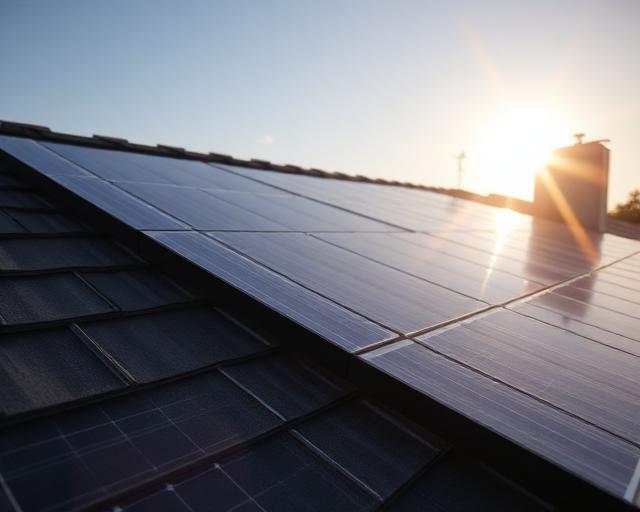
Installers quote solar by kWp (kilowatt-peak) — the maximum rated output under standard test conditions. Not sure what size you need? See our guide on how many solar panels do I need.
How to size your system
- Estimate annual usage (kWh/year) from your bills
- Identify your daytime share (WFH, kids home, EV charging, heat pump)
- Choose a size that maximises self-consumption
Inverters, Microinverters & Optimisers
- • Standard string inverter: simplest, best for clear unshaded roofs
- • Optimisers / microinverters: help with shade, multiple roof faces, or per-panel monitoring
Costs in the UK
Solar pricing varies by roof complexity and equipment choice. See our full breakdown of solar panel costs in the UK.
Biggest Cost Drivers
- System size (kWp) and panel brand/model
- Battery size and brand (if included)
- Scaffolding complexity
- Electrical upgrades (consumer unit, isolators)
- Roof access, tile type, and mounting system
VAT: What UK Homeowners Should Know
The UK zero rate applies to certain energy-saving materials installed in residential accommodation from 1 May 2023 to 31 March 2027. It is scheduled to revert to 5% from 1 April 2027.
Source: GOV.UK. If you're comparing quotes, ensure you're comparing VAT treatment + scope like-for-like.
Savings, Payback & the 3 Levers That Matter Most
Your actual savings depend less on "maximum generation" and more on how much of your solar you use at home.
Daytime Usage (Self-Consumption)
If you're home during the day (WFH, family at home), you can use more solar directly — this is the biggest savings lever.
Battery Storage (Optional)
A battery stores surplus for evenings. Whether it's worth it depends on your daytime usage, tariff structure, and future plans. Read our solar battery storage UK guide.
Export Payments (SEG)
If you export electricity, you may be paid under the Smart Export Guarantee (SEG). Suppliers set rates — they must be above zero.
Smart Export Guarantee (SEG)
SEG is the UK mechanism that pays small generators for electricity exported to the grid. Suppliers set the export rate and terms — rates must be above zero. See our full SEG guide for current rates and how to apply.
Get a SEG-Ready QuoteWhat You'll Typically Need
A compliant export meter arrangement (often via a smart meter)
Evidence your system meets certification requirements (commonly MCS certification)
Requirements vary by SEG licensee — we design quotes with SEG-readiness in mind.
Choosing a Solar Installer (UK Checklist)
For peace of mind, make sure your installer meets these standards. See our full solar installation process UK guide.
Non-Negotiables
MCS Certification
MCS certification is the industry quality mark for small-scale renewables.
Consumer Protection
Reputable installers participate in industry schemes to protect homeowners.
Clear Specification
Panel model, inverter model, warranties, monitoring, and any optional add-ons. See our guide to the best solar panels for UK homes.
Quote Comparison Checklist
When comparing quotes, ensure each includes:
- Total kWp and number of panels
- Inverter type (string vs microinverter/optimisers)
- Estimated annual generation assumptions
- Battery size (kWh) if included
- Scaffolding + electrical works included/excluded
- Warranty terms (product + workmanship)
Grid Connection (G98 vs G99)
G99 applies when generation exceeds 16A (3.68kW) per phase. A good installer handles DNO notifications and flags any delays. G98 vs G99 explained →
Maintenance & Monitoring
Solar PV is generally low-maintenance. Performance monitoring spots issues early — inverter faults, shading changes, or tripped isolators. Solar panel maintenance UK →
Solar + EV Chargers & Heat Pumps
Timed solar + EV charging soaks up midday solar. Solar + heat pumps increase electricity demand. Many choose solar now, add battery later after measuring real usage.
FAQs: Solar Electricity for Home in the UK
Common questions about solar PV, SEG payments, and UK regulations.

Get a Fixed-Price Solar Quote for Your Home
In 60 seconds, request a quote with your postcode, roof type, and electricity use. No obligation — we'll confirm roof suitability and give a like-for-like system spec.
Get My Solar Quote (UK)